Can You Really Change the World Starting With One Choice?
The world feels broken, but what if the solution isn’t out there—it’s within you? Every thought, every reaction, every choice shapes…


Every once in a while, a revolutionary idea slips under the radar—not in the form of a protest, a policy, or even a pamphlet—but as something quieter. Something deceptively simple. Like… doing absolutely nothing. That’s right. No emails. No chores. No “working on yourself.” Just a useless day. And in this over-caffeinated, hustle-obsessed, productivity-worshipping culture of ours, that might be the most subversive thing you can do.

What if someone told you they could read your character just by feeling the bumps on your skull? In the 1800s, people believed this was not only possible but scientific. It’s called phrenology, and while it may sound quaint or even silly now, it once shaped lives, institutions, and entire ideologies. Let's take a walk through this curious piece of history—and see what it still whispers to us today.

Imagine a world where your social status, income, education level—even your romantic prospects—are predicted by a number derived from your DNA. No, it’s not some dystopian science fiction plot. It’s already happening and most people have no clue it’s underway.

Can recovery be a spiritual awakening? Linda Star Wolf, author of The Aquarian Shaman, blends the twelve-step tradition with shamanic wisdom to guide you on a soul-deep path of healing, discovery, and transformation.

In a world of uncertainty and fear, we’re reminded: the savior we’ve been waiting for is already here. And it’s us—each of us—with our love, presence, and choice.

Ever find yourself driving home only to realize you don't remember the turns you took? Or brushing your teeth while thinking about tomorrow’s to-do list? That’s not carelessness—it’s your brain doing exactly what it’s designed to do. Without asking your permission, your unconscious memory and personal frame of reference quietly step in to help you navigate your day with minimal effort. But how do these hidden systems work—and what happens when they steer you wrong?

Can you really change your life just by changing your story? Becca Powers says yes—and she shows how reclaiming meaning in difficult moments can open the door to a life of joy, power, and purpose.

Struggling to make new habits stick? These 8 proven strategies blend psychology, intention, and spiritual insight to help you create lasting personal change.

We are often our harshest critics, holding on to guilt and judgment. But what if you could dismiss your inner judge and embrace self-love? Discover how self-forgiveness and seeing your divine essence can bring deep healing and inner peace.

Have you ever looked around your home and felt an overwhelming sense of unease, as if the clutter surrounding you was somehow mirroring the chaos in your mind? You’re not alone. Our attachment to objects is deeply emotional, often rooted in memories, security, or even fear of the future. But when does clutter turn into something more? When does collecting become compulsive hoarding, and how can we ensure we maintain a healthy relationship with our belongings?

Sleep is one of the most overlooked pillars of mental health. We glorify hustle culture, praise early risers, and treat sleep deprivation like a badge of honor. But what if I told you that your lack of sleep isn’t just making you tired—it’s actively damaging your ability to think, process emotions, and stay sane? In fact, chronic sleep deprivation might be one of the biggest unspoken mental health crises of our time.

Are you living to please others or to fulfill your own purpose? People-pleasing keeps us stuck in obligations and societal expectations. It’s time to reclaim your life, listen to your heart, and make choices that bring joy and authenticity. Life’s too short—start living authentically today.

Have you ever noticed how scrolling through Instagram feels almost hypnotic? One moment you’re just checking in, and the next, you’re completely immersed—only to feel a strange sense of unease when you stop. New research suggests that this isn’t just in your head. The way Instagram affects your brain might be more powerful than we ever realized.

Leadership isn’t about barking orders, hoarding power, or staging photo ops with a forced smile. It’s about something much rarer: honesty, trust, and a genuine willingness to serve. But in a world that rewards deception, where do we find real leadership? More importantly—how do we create it?

Why do we keep things we don’t need? It’s a question we’ve all asked ourselves while standing in front of a cluttered closet, staring at a drawer that won’t close, or trying to justify why an old pair of shoes we haven’t worn in years is still sitting in the entryway. Some of us hold onto things because of nostalgia, some out of fear, and others because of a deep-seated belief that we might need them “someday.” But when does keeping things turn from harmless sentimentality to something more? And why does it feel so hard to let go?

Aging gracefully isn’t about resistance but about surrendering to the beauty of spiritual evolution. Let go of dread and discover the joy, purpose, and connection that come with growing older.

Uncover the science and psychology behind emotional tears. Learn why humans cry, the signals behind tears, and their profound emotional and social significance.
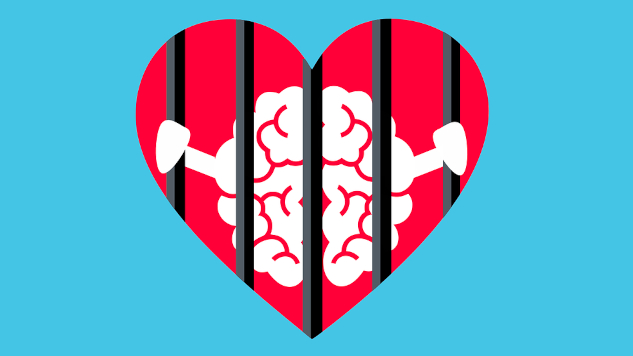
Break free from the rules that hold you back and rewrite your inner narrative for lasting well-being. This article explores how subconscious patterns shape your reactions and offers practical steps to overcome them. Learn how awareness, meditation, and positivity can help you reclaim your emotional freedom and cultivate a life filled with joy and resilience.

Explore Marie T. Russell's guide to starting each day anew, focusing on shedding past resentments and embracing each morning with a fresh outlook. Learn practical tips for renewing your daily attitude and maximizing positivity.

Explore the intricate world of sleep patterns and how personal storytelling can unravel your unique sleep needs. Find out if you're a lark or an owl and how understanding this can help determine your optimal bedtime, leading to improved sleep quality and overall well-being.

This article explores how domestication affects both humans and animals by disconnecting them from their natural emotions, creating codependency and emotional stagnation. Learn how the hidden cost of domestication robs all parties of their authentic power and creative potential, leading to long-term consequences for emotional autonomy and growth.

Behavioral science offers strategies like the "Mary Poppins Principle," which turns mundane tasks into fun activities to enhance motivation. By adding enjoyment to necessary tasks and using nudging techniques, behavioral science helps drive better decisions and lasting changes. From exercise routines to healthier choices, this approach shifts how we engage with everyday habits, leveraging fun and subtle changes to increase adherence and success.

Learn how to overcome resistance and free yourself from limitations with mindful strategies that transform resistance into a powerful ally on your journey to personal growth.